
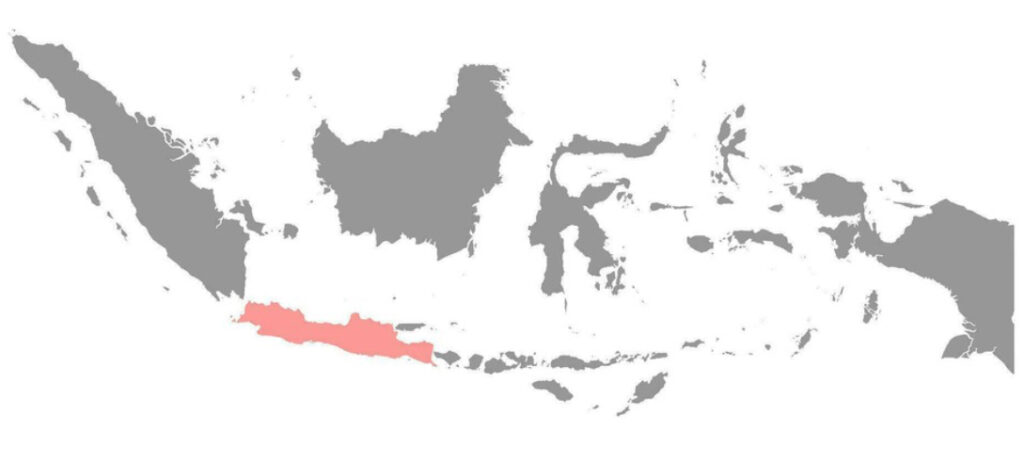
Java Island (Indonesia): Complete Geography, History & Strategic Importance for UPSC CSE
Java Island is the most important and populous island of Indonesia, playing a decisive role in the country’s politics, economy, culture, and history. Despite covering only a small percentage of Indonesia’s land area, Java supports more than half of the nation’s population. Due to its volcanic geography, fertile soil, dense population, and strategic location, Java Island is a high-value topic for UPSC Prelims and Mains.
Where is Java Island Located? (Geography of Java Island)
Java Island is located in Southeast Asia, forming a central part of the Indonesian archipelago.
Geographical Boundaries
- West: Sumatra Island
- East: Bali Island
- North: Java Sea
- South: Indian Ocean
📌 SEO Keywords: location of Java Island, Java Island map, Java Sea, Indian Ocean
Java lies close to important international sea routes and benefits from Indonesia’s position along the Indo-Pacific region.
Physical Geography of Java Island
Volcanic Landforms
Java Island lies on the Pacific Ring of Fire, making it one of the most volcanically active regions in the world.
Major Volcanoes on Java Island:
- Mount Merapi (one of the most active volcanoes globally)
- Mount Bromo
- Mount Ijen (famous for blue fire phenomenon)
📌 DEO (Data): Java has 30+ active volcanoes
Soil & Relief
- Dominated by fertile volcanic (andosol) soil
- Mountain ranges in the interior
- Coastal plains in the north
📌 UPSC Link: Volcanic soil → high agricultural productivity
Climate of Java Island
Java Island experiences a tropical monsoon climate.
- High annual rainfall
- Influenced by monsoon winds from the Indian Ocean
- Suitable for multiple cropping
Main crops:
- Rice (rice bowl of Indonesia)
- Sugarcane
- Tea and coffee
📌 SEO Keywords: climate of Java Island, agriculture in Java Island
Population and Demography of Java Island
Java is one of the most densely populated islands in the world.
Key Population Data (DEO)
- Population: ~150 million
- Population density: Over 1,100 persons/sq km
- Houses more than 55% of Indonesia’s population
Ethnic Groups & Language
- Javanese (largest ethnic group)
- Sundanese
- Madurese
- Languages: Javanese, Sundanese, Bahasa Indonesia
📌 Mains Comparison: Java Island vs Indo-Gangetic Plain
Historical Significance of Java Island
Ancient Period
Java was a centre of Hindu-Buddhist civilisation.
UNESCO World Heritage Sites:
- Borobudur – Largest Buddhist monument in the world
- Prambanan – Hindu temple complex
Medieval Period
- Spread of Islam through maritime trade
- Rise of Islamic Sultanates like Demak and Mataram
Colonial Period
- Colonised by the Dutch (Dutch East Indies)
- Introduction of Cultivation System (Cultuurstelsel)
SEO Keywords: history of Java Island, Borobudur temple, Prambanan temple
Economic Importance of Java Island
Java Island is the economic backbone of Indonesia.
Major Economic Activities
- Agriculture
- Manufacturing
- Services
- Trade and ports
Major Cities on Java Island
- Jakarta – Capital city and financial hub
- Surabaya – Major port city
- Bandung – Industrial and educational centre
- Yogyakarta – Cultural capital
DEO: Jakarta contributes a major share to Indonesia’s GDP.
Political and Strategic Importance of Java Island
- Seat of the Indonesian central government
- Plays a key role in ASEAN politics
- Strategic proximity to Malacca Strait (global trade route)
Mains Value Addition: Java strengthens Indonesia’s role in Indo-Pacific geopolitics
Environmental Issues and Challenges in Java Island
- Overpopulation pressure
- Urban flooding (especially Jakarta)
- Volcanic eruptions and earthquakes
- Groundwater depletion
- Deforestation